 English
  Español
  Português
  日本語
日本語  Français
  繁體中文
繁體中文  简体中文
简体中文 
FootHealth
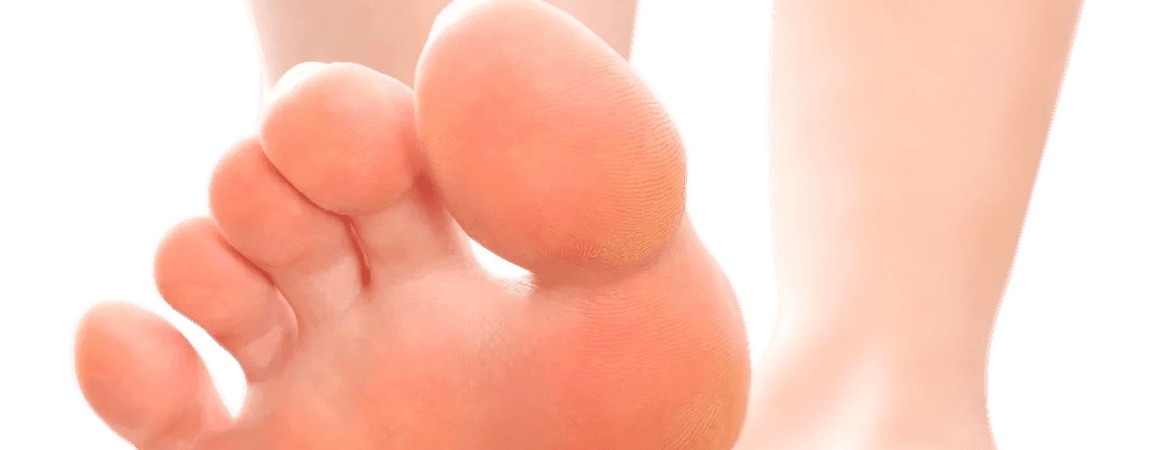
Foot Health Guide: Redefining the Walking Experience through Biomechanics
As experts with years of experience in insole R&D and manufacturing, Aybroad firmly believes that healthy feet begin with scientific support. In daily life and high-intensity sports, many individuals struggle with chronic issues such as plantar fasciitis, recurring corns, and fungal infections.
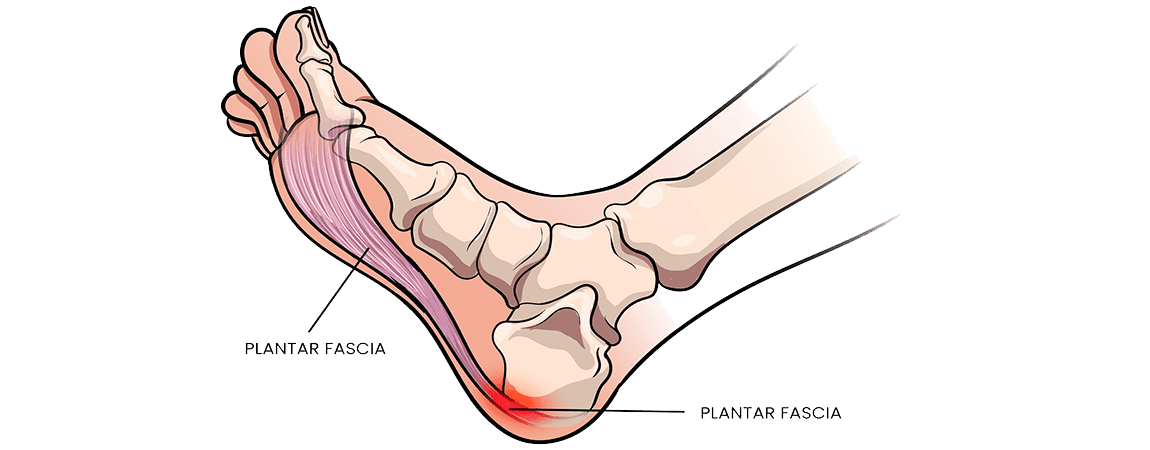
Plantar Fasciitis: Understanding the Pain, Engineering the Mechanical Compensation
What is Plantar Fasciitis? The plantar fascia is a thick, fibrous band of tissue (ligament) that connects your heel bone to your toes. Its primary function is to act like a tensioned spring, maintaining the structural integrity of the foot arch and absorbing ground reaction forces during locomotion.
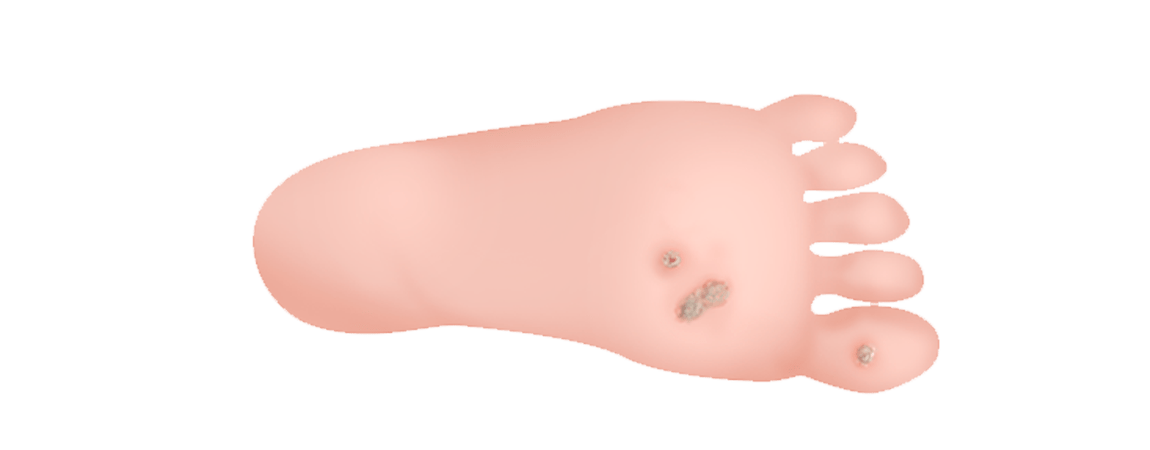
Corns & Calluses: The Foot’s "Pressure Alarm" – More Than Just a Skin Issue
In the realm of podiatry, corns and calluses are the body’s natural defensive response. While they appear to be mere skin thickening, they are actually "protective barriers" built by your body to shield deeper tissues from chronic friction and excessive pressure.
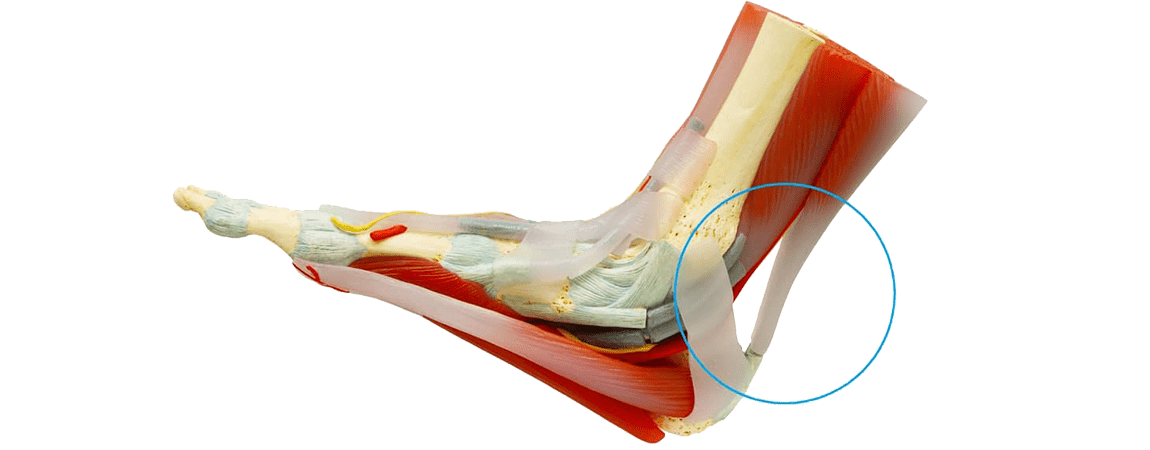
Achilles Tendonitis: The "Vulnerable String" – A Scientific Approach to Recovery
What is the Achilles Tendon? The Achilles tendon is the thickest and strongest tendon in the human body. Connecting the calf muscles to the heel bone, it acts as a high-powered spring, bearing the immense explosive forces required for walking, running, and jumping.
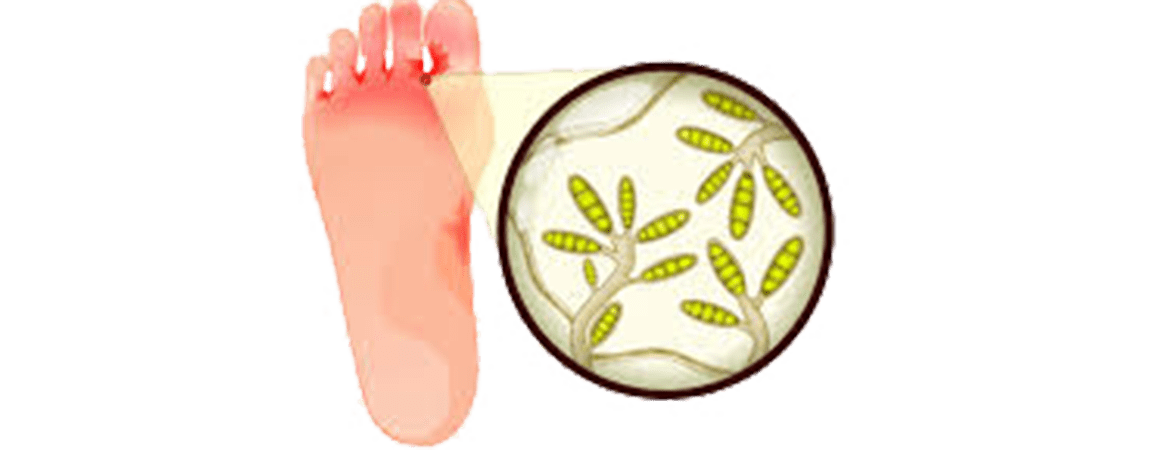
Athlete's Foot: More Than an Itch – A Battle for the Shoe’s Micro-ecosystem
What is Athlete's Foot? Medical terms: Tinea Pedis. It is a fungal infection caused by dermatophytes. Beyond the unbearable itching, it can lead to skin cracking, blistering, and even secondary bacterial infections. As footcare experts, we know that fungi thrive in warm, damp, and dark environments—precisely the conditions found inside a poorly ventilated shoe.
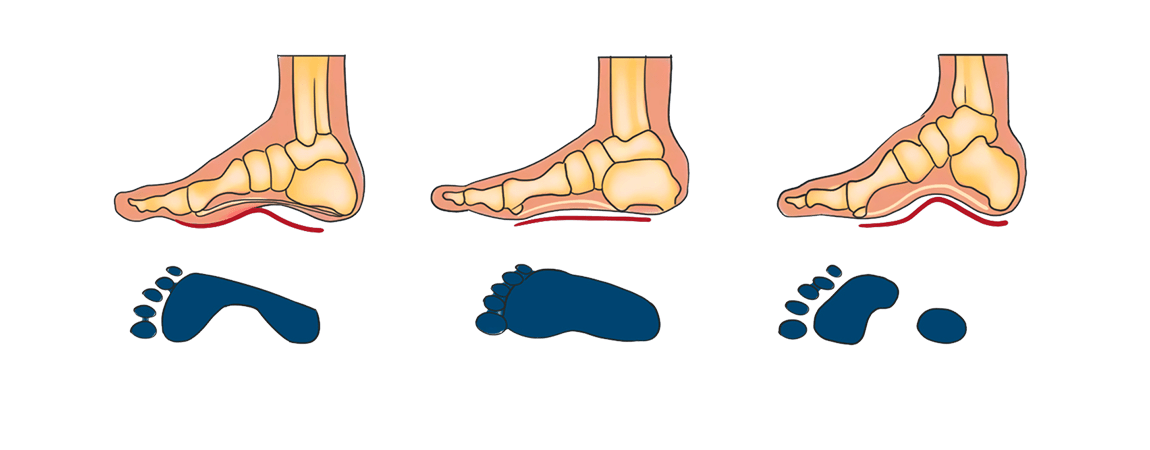
The Mechanical Extremes: A Scientific Approach to Flat Feet and High Arches
The foot arch is nature’s "shock absorber." A healthy arch collapses slightly upon impact to absorb energy and becomes rigid during toe-off to provide propulsion. However, when the arch is too low (Flat Feet) or too high (High Arches), this delicate balance is disrupted, leading to a chain reaction of pain that can travel up to the knees, hips, and spine.
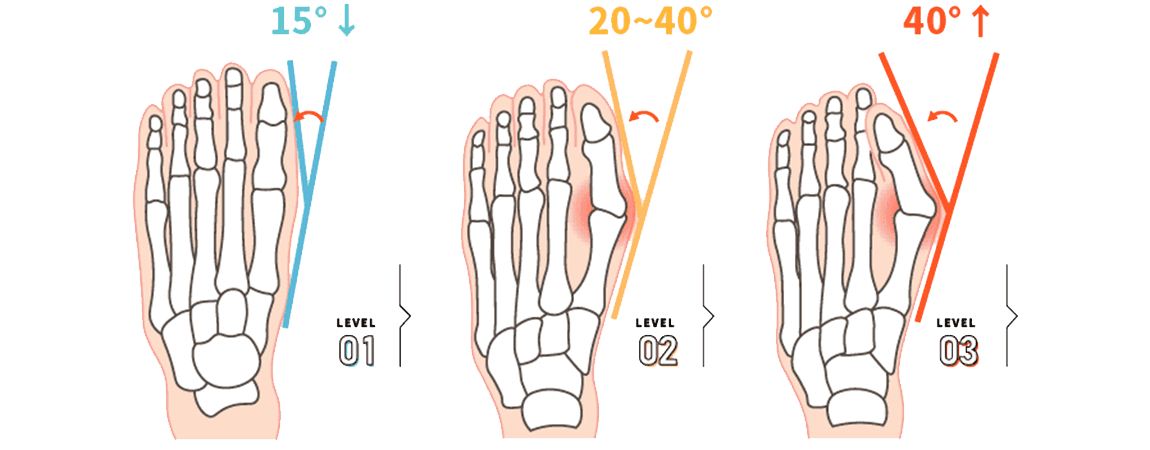
Bunions (Hallux Valgus): More Than an Aesthetic Concern—A Skeletal Misalignment
What is a Bunion? Known medically as Hallux Valgus, a bunion occurs when the big toe (hallux) leans excessively toward the second toe, causing a bony protrusion at the base of the big toe (the first metatarsophalangeal joint). Beyond swelling and localized pain, this condition disrupts the entire foot’s balance and can lead to secondary deformities in other toes.
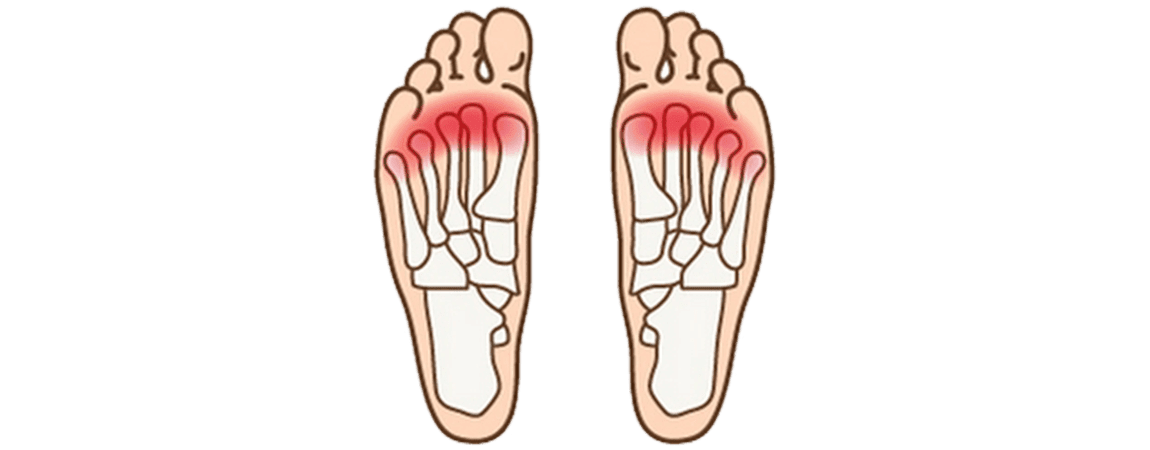
Metatarsalgia: Relieving Forefoot "Burning Pain" Through Biomechanical Repair
If you experience a burning sensation, sharp pain, or the feeling of a "pebble in your shoe" under the ball of your foot, you may be suffering from Metatarsalgia.
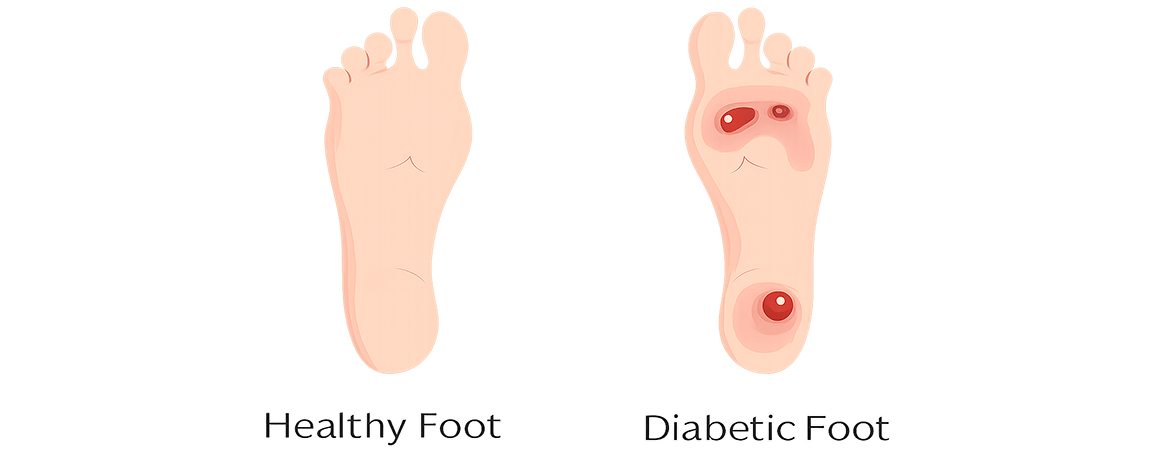
The Diabetic Foot: Prevention Over Treatment—Building a "Fortress of Safety"
For individuals with diabetes, feet are "high-risk zones" that require extraordinary care. Peripheral neuropathy and Peripheral Artery Disease (PAD) often cause a loss of sensation and poor circulation. Consequently, minor friction, blisters, or corns can evolve into non-healing ulcers—and in severe cases, lead to amputation—long before the patient feels any pain.
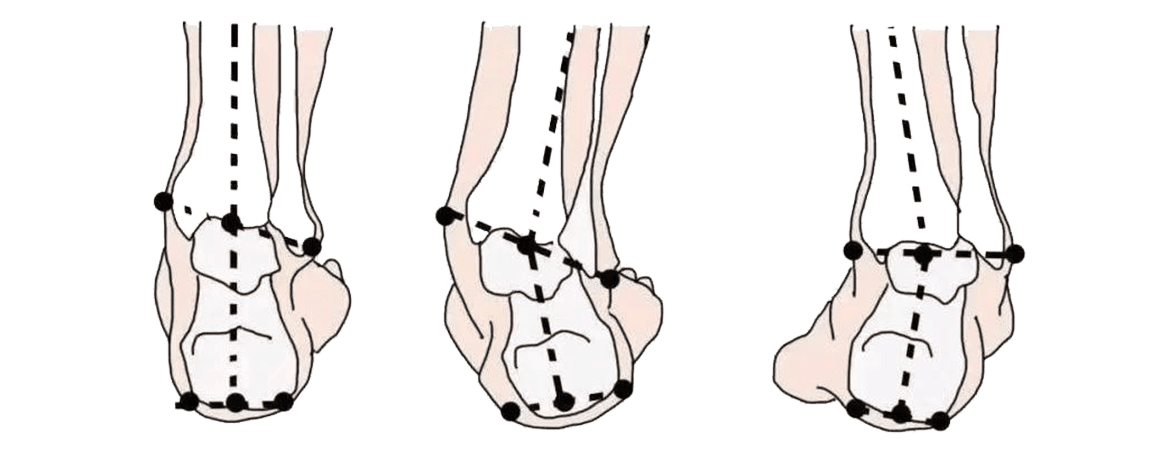
Pronation vs. Supination: Is Your Gait Secretly Damaging Your Joints?
Walking is a fundamental human movement, but how your feet strike the ground makes all the difference. Have you noticed uneven wear on your shoe soles? This is often a sign of Overpronation or Supination. If left uncorrected, this mechanical misalignment can lead to a chain reaction of pain in the knees, hips, and spine.
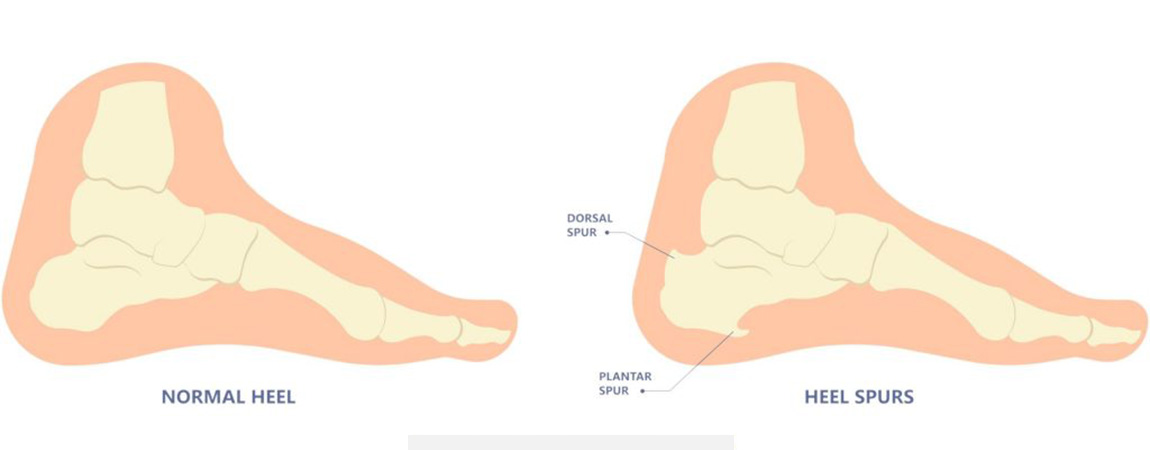
I. Understanding Heel Spurs
A heel spur is a bony protrusion caused by calcium deposits that form when the plantar fascia or Achilles tendon pulls excessively on the heel bone (calcaneus) over time.
-
Common Symptoms:
-
Sharp Pain: Particularly when taking the first steps in the morning or standing up after a long period of sitting.
-
Localized Tenderness: A palpable hard lump or pain at the bottom or back of the heel.
-
Associated Inflammation: Often accompanied by plantar fasciitis or Achilles tendinitis.
-