 English
  Español
  Português
  日本語
日本語  Français
  繁體中文
繁體中文  简体中文
简体中文 
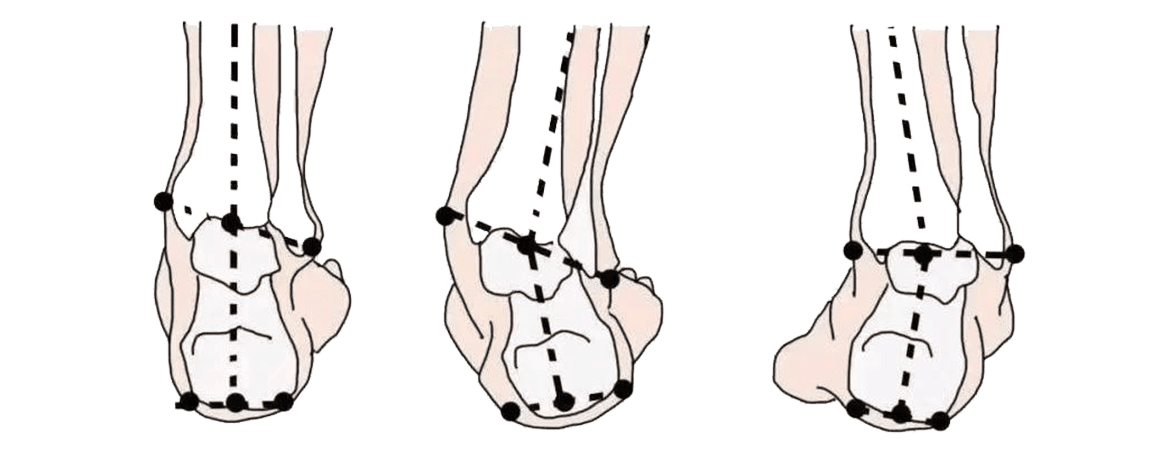
Pronation vs. Supination: Is Your Gait Secretly Damaging Your Joints?
Walking is a fundamental human movement, but how your feet strike the ground makes all the difference. Have you noticed uneven wear on your shoe soles? This is often a sign of Overpronation or Supination. If left uncorrected, this mechanical misalignment can lead to a chain reaction of pain in the knees, hips, and spine.
I. Side-by-Side Comparison: Understanding the Mechanics
| Feature | Overpronation | Supination (Underpronation) |
| Visual Sign | Arch collapses; ankles roll inward. | High arch; ankles tilt outward. |
| Outsole Wear | Excessive wear on the inner edge. | Excessive wear on the outer edge. |
| Associated Foot Type | Flat Feet (Pes Planus). | High Arches (Pes Cavus). |
| Bodily Impact | Knock-knees (Valgus), Plantar Fasciitis. | Chronic Ankle Sprains, Shin Splints. |
II. Overpronation: The Inward Collapse
-
What Happens: The foot rolls too far inward, causing the arch to flatten excessively. This creates a "spiral" torsion that pulls on the lower leg and knee.
-
The Risks: Chronic overstretching of the plantar fascia and excessive pressure on the medial (inner) knee, often leading to IT Band Syndrome.
-
Engineering Solution: Control & Support.
-
Medial Reinforcement: High-density EVA or TPU shells provide a physical barrier to prevent arch collapse.
-
Deep Heel Cup: Stabilizes the calcaneus (heel bone) to stop the inward ankle tilt at the moment of impact.
-
III. Supination: The Rigid Strike
-
What Happens: Weight is concentrated on the outer edge of the foot. These feet are typically "rigid," lacking the natural ability to shock-absorb.
-
The Risks: High vulnerability to ankle sprains and stress fractures due to the lack of impact filtration.
-
Engineering Solution: Cushioning & Redistribution.
-
Full-Length Shock Absorption: Utilizing PORON® or GEL to compensate for the foot's lack of natural flexibility.
-
Lateral Pressure Offloading: Guiding the foot’s force back toward the center to reduce edge pressure.
-
IV. Aybroad’s Philosophy: Precision Alignment
As a specialized manufacturer, we don't just make "pads"—we engineer Gait Correctors:
-
Multi-Density Composites: We strategically place firm materials for support and soft materials for cushioning within the same insole.
-
Biomechanical Realignment: We help your ankles, knees, and hips return to their original vertical axis, eliminating compensatory pain.