 English
  Español
  Português
  日本語
日本語  Français
  繁體中文
繁體中文  简体中文
简体中文 
Introduction In the era of global plastic reduction and carbon neutrality, bio-based materials have transitioned from "optional" to "essential." PLA (Polylactic Acid) is one of the most commercially successful biodegradable materials available today. Aybroad is strategically positioning its PLA supply chain to provide truly "green" footwear solutions for brands that place sustainability at the core of their strategy.
Material Origin & Environmental Profile
Unlike traditional plastics, the raw material for PLA is derived from renewable plant starches such as corn and cassava. Through fermentation and polymerization, these botanical resources are transformed into high-performance polymers.
The core value of PLA lies in its industrial compostability. Under specific temperature and humidity conditions, PLA is completely decomposed by microorganisms into CO₂ and water. This realizes a true "Cradle to Cradle" environmental loop, significantly reducing the carbon footprint throughout the product's entire lifecycle.
Aybroad’s Engineering: Overcoming Brittleness
Standard PLA has inherent limitations, such as brittleness and low heat resistance. Aybroad’s R&D focuses on physical modification and polymer blending:
-
Toughening & Durability: By incorporating toughening agents or blending PLA with other biodegradable polyesters (e.g., PBAT), we have successfully enhanced the flexibility and impact strength of PLA-based components.
-
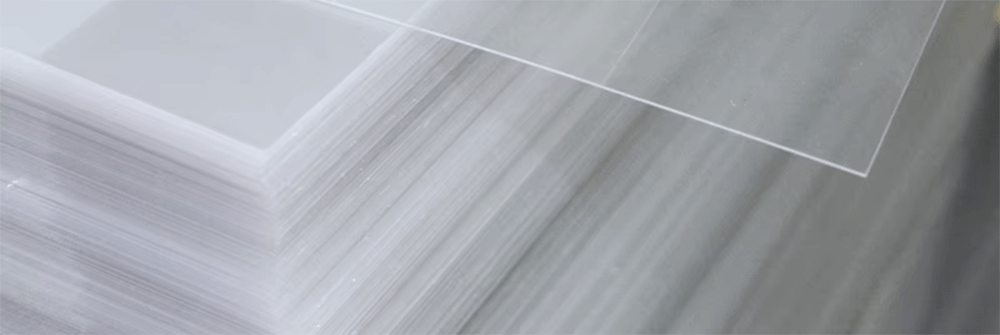
Structural Components: We now offer 100% bio-based PLA support plates (shanks) as a sustainable alternative to traditional petroleum-based plastic reinforcements.
Compliance & Market Edge
Aybroad’s PLA products comply with EU EN13432 and U.S. ASTM D6400 compostability standards. For brands aiming to market products as "Bio-based" or "Compostable," we provide full material certification and documentation to help you win over the growing demographic of eco-conscious consumers.