 English
  Español
  Português
  日本語
日本語  Français
  繁體中文
繁體中文  简体中文
简体中文 
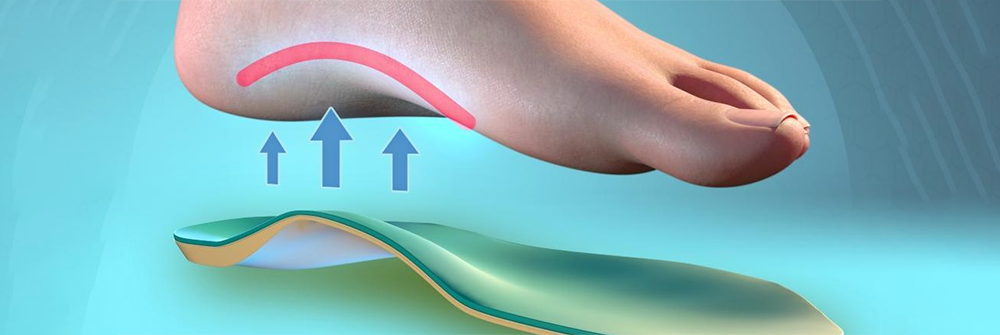
Plantar fasciitis is one of the most common causes of heel pain, affecting millions of people worldwide. For those suffering from this condition, choosing the right footwear support is critical—and this is where plantar fasciitis insoless play an important role.
In this article, we explain what plantar fasciitis insoless are, how they work, and what features matter most when selecting or developing them.
What Is Plantar Fasciitis?
Plantar fasciitis is a condition involving inflammation of the plantar fascia, a thick band of tissue that connects the heel to the toes.
Common symptoms include:
- Sharp pain in the heel (especially in the morning)
- Pain after long periods of standing or walking
- Tightness in the arch of the foot
👉 Causes may include:
- Overuse (running, long hours standing)
- Poor footwear
- Flat feet or high arches
- Excess body weight
What Is a plantar fasciitis insoles?
A plantar fasciitis insoles is a specially designed shoe insert that helps:
- Reduce strain on the plantar fascia
- Provide proper arch support
- Absorb impact and reduce heel pressure
👉 Unlike standard insoles, these are engineered to relieve pain and improve foot alignment.
How Do plantar fasciitis insoless Work?
1. Arch Support
One of the key features is structured arch support.
👉 It helps to:
- Distribute pressure more evenly
- Reduce tension on the plantar fascia
- Improve foot alignment
2. Heel Cushioning
Heel pain is the most common symptom of plantar fasciitis.
👉 Insoles often include:
- Gel heel pads
- PU cushioning zones
These help:
- Absorb shock during walking or running
- Reduce impact on the heel
3. Deep Heel Cup
A well-designed heel cup stabilizes the foot.
👉 Benefits:
- Keeps the heel in correct position
- Reduces excessive movement
- Improves overall support
4. Pressure Redistribution
By combining support and cushioning, the insole helps:
- Reduce pressure on sensitive areas
- Spread load across the foot
- Improve comfort during long use
Key Features to Look For
When choosing or developing plantar fasciitis insoless, consider:
✔ Proper Arch Support
Not too soft, not too rigid—moderate to firm support is ideal.
✔ Shock Absorption
Materials like PU or gel help reduce heel impact.
✔ Durable Materials
High-quality foam maintains performance over time.
✔ Breathability
Helps reduce moisture and improve comfort.
✔ Correct Fit
Full-length or semi-length designs should match the shoe and foot shape.
Types of plantar fasciitis insoless
Full-Length Insoles
- Provide full-foot support
- Better cushioning and stability
3/4 or Semi-Length Insoles
- Fit into tighter shoes
- Focus on heel and arch support
Gel-Based Insoles
- Excellent for heel cushioning
- Good for users with strong heel pain
Orthotic Insoles
- Provide structured support
- Suitable for more severe conditions
Who Should Use These Insoles?
plantar fasciitis insoless are recommended for:
- People with heel pain
- Workers who stand for long hours
- Runners and athletes
- Individuals with flat feet or high arches
👉 They can also be used as a preventive solution.
Common Mistakes to Avoid
1. Choosing overly soft insoles
Soft does not always mean supportive.
2. Ignoring arch type
Different foot types require different support levels.
3. Using low-quality materials
Cheap insoles lose effectiveness quickly.
4. Expecting instant results
Relief may take time as the foot adapts.
Do plantar fasciitis insoless Really Work?
Yes—when properly designed and matched to the user, these insoles can:
- Reduce heel pain
- Improve comfort
- Support recovery
👉 However, they are most effective when combined with:
- Proper footwear
- Stretching exercises
- Good daily habits
Final Thoughts
plantar fasciitis insoless are more than just cushioning inserts—they are functional products designed to support the foot, reduce pain, and improve overall comfort.
For brands and buyers, understanding their structure and performance is essential to developing effective products that meet real market demand.
At Aybroad, we work with clients to develop customized insole solutions for different applications, including plantar fasciitis support, using optimized materials and structures.
👉 Contact us today to learn more or request samples.