 English
  Español
  Português
  日本語
日本語  Français
  繁體中文
繁體中文  简体中文
简体中文 
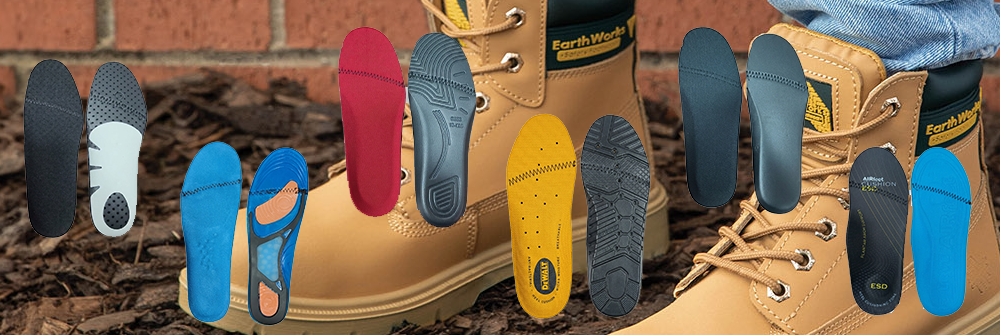
ESD Insoles play a critical role in protecting sensitive electronic environments and ensuring workplace safety. But what exactly are they, and how do they function?
In this guide, we explain everything you need to know about ESD Insoles, including how they work, their materials, and where they are used.
What Are ESD Insoles?
ESD stands for Electrostatic Discharge.
ESD Insoles (also known as anti-static insoles) are specially designed shoe inserts that help control and dissipate static electricity generated by the human body.
Without proper grounding, static electricity can:
- Damage sensitive electronic components
- Cause product defects in manufacturing
- Create safety risks in certain environments
ESD Insoles are widely used as part of ESD protection systems in industrial settings.
Why Is Static Electricity a Problem?
In everyday life, static electricity may seem harmless. However, in industrial environments, even a small discharge can cause serious issues.
For example:
- In electronics manufacturing, static discharge can damage microchips
- In cleanrooms, it can affect precision processes
- In certain industries, it may even create ignition risks
👉 This is why ESD protection is essential in many workplaces.
How Do ESD Insoles Work?
ESD Insoles work by creating a controlled path for static electricity to flow safely to the ground.
⚙️ Basic Principle:
- Static electricity builds up in the human body
- The insole transfers the charge through conductive materials
- The charge flows through ESD shoes and flooring
- Static electricity is safely discharged to ground
🔌 Key Concept: Controlled Resistance
Unlike fully conductive materials, ESD Insoles are designed with specific resistance ranges:
- Too conductive → unsafe discharge
- Too resistant → static buildup
👉 The goal is controlled dissipation, not instant discharge.
Types of ESD Insoles
Different applications require different levels of conductivity.
1. Conductive Insoles
- Low resistance
- Fast discharge
- Used in high-sensitivity environments
2. Static Dissipative Insoles
- Moderate resistance
- Most common type
- Balanced performance
3. Anti-Static Insoles
- Higher resistance
- Used in general industrial environments
Materials Used in ESD Insoles
The performance of ESD Insoles depends on material selection.
Common materials include:
- Conductive PU foam
- Carbon-infused layers
- Anti-static fabric
- EVA or TPU structural layers
These materials ensure both electrical performance and wearing comfort.
Where Are ESD Insoles Used?
ESD Insoles are essential in industries where static control is required:
- Electronics manufacturing
- Semiconductor production
- Cleanroom environments
- Laboratories
- Safety footwear applications
ESD Insoles vs Regular Insoles
| Feature | ESD Insoles | Regular Insoles |
|---|---|---|
| Static control | ✔ Yes | ❌ No |
| Industrial use | ✔ Yes | ❌ No |
| Safety compliance | ✔ Required | ❌ Not applicable |
| Comfort | ✔ Yes | ✔ Yes |
👉 Regular insoles focus on comfort, while ESD Insoles combine safety + function.
How to Choose the Right ESD Insoles
When selecting ESD Insoles, consider:
- Required resistance range
- Working environment
- Comfort level for long hours
- Compatibility with ESD footwear
Choosing the right type ensures both safety and usability.
Need a Reliable ESD Insole Manufacturer?
If you are sourcing for safety footwear or industrial use, choosing the right supplier is critical.
👉 As a professional ESD insole manufacturer, we provide:
- Stable anti-static performance
- Custom OEM solutions
- Reliable quality for industrial applications
👉 Learn more here:
ESD Insole Manufacturer – Custom Anti-Static Solutions
Conclusion
ESD Insoles are an essential component in modern industrial environments. By controlling and dissipating static electricity, they help protect both products and people.
Understanding how they work allows you to choose the right solution for your application.