 English
  Español
  Português
  日本語
日本語  Français
  繁體中文
繁體中文  简体中文
简体中文 
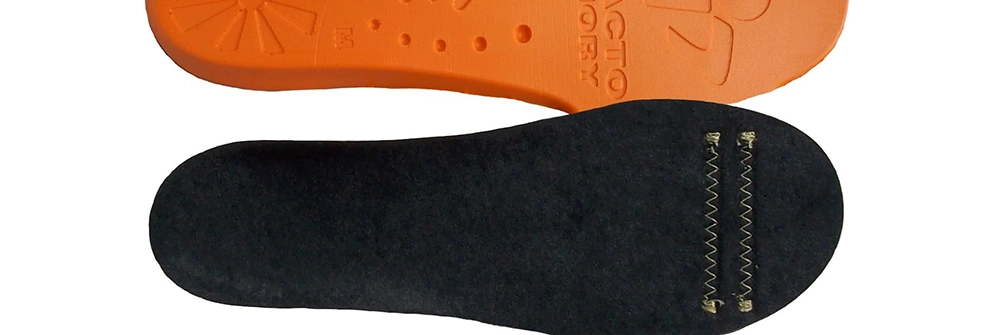
ESD vs Anti-Static Insoles – What’s the Difference and Which Do You Need?
In safety footwear and industrial environments, the terms ESD insoles and anti-static insoles are often used interchangeably.
However, they are not the same.
Understanding the difference between ESD vs anti-static insoles is critical for choosing the right solution—especially in electronics manufacturing, cleanrooms, and hazardous environments.
What Is ESD?
ESD stands for electrostatic discharge, which is the sudden flow of electricity between two charged objects.
In industrial environments, even a small discharge can:
- Damage sensitive electronic components
- Disrupt production processes
- Cause hidden product defects
👉 ESD protection is designed to safely dissipate static electricity to ground.
What Are Anti-Static Insoles?
Anti-static insoles are designed to:
- Prevent the buildup of static electricity
- Reduce the generation of static charge
👉 However, they do not actively discharge static to ground.
Key Difference Between ESD and Anti-Static Insoles
| Feature | ESD Insoles | Anti-Static Insoles |
|---|---|---|
| Function | Dissipate static to ground | Reduce static buildup |
| Grounding | Yes | No / limited |
| Protection level | High | Moderate |
| Application | Electronics manufacturing | General industrial use |
👉 In simple terms:
💥 All ESD products are anti-static, but not all anti-static products are ESD
How ESD Insoles Work
ESD insoles are designed with conductive or dissipative materials.
When static builds up:
- Charge transfers to the insole
- It moves through the material
- It safely dissipates to the ground
👉 This controlled discharge prevents sudden electrical shocks that can damage sensitive components.
Why Anti-Static Is Not Enough in Some Industries
Anti-static materials help reduce static generation, but:
- They do not provide a grounding path
- Static can still accumulate elsewhere
👉 In high-risk environments, this is not sufficient.
Application Scenarios
🔹 ESD Insoles (High-Precision Environments)
- Electronics manufacturing
- Semiconductor production
- Cleanrooms
- Laboratories
👉 Required where static discharge can damage products.
🔹 Anti-Static Insoles (General Safety)
- Warehousing
- Packaging
- Low-risk industrial environments
👉 Used where static reduction is sufficient.
Why Insoles Matter in Static Control
Footwear is one of the primary contact points between the human body and the ground.
👉 This makes insoles critical for:
- Static dissipation
- Electrical resistance control
- Worker safety
Materials Used in ESD Insoles
Typical materials include:
- Conductive PU or EVA
- Carbon-infused materials
- Multi-layer dissipative structures
👉 Material selection determines performance and compliance.
Custom ESD Insole Manufacturing (OEM / ODM)
As an experienced ESD insole manufacturer, we provide:
✔ Electrical Performance Design
- Controlled resistance levels
- Stable conductivity
✔ Material Engineering
- ESD-safe PU / EVA
- Multi-layer structures
✔ Compliance Support
- Standards-based design
- Testing and validation
✔ Branding & Packaging
- Private label
- Custom packaging
How to Choose the Right Solution
👉 Choose ESD insoles if:
- You handle sensitive electronics
- Static discharge must be controlled
👉 Choose anti-static insoles if:
- You only need to reduce static buildup
- The environment is low risk
Conclusion
While ESD and anti-static insoles are related, they serve different purposes.
Choosing the wrong type can lead to:
- Product damage
- Safety risks
- Compliance issues
👉 Understanding these differences ensures better protection and performance.
Looking for ESD Insole Solutions?
If you are developing safety footwear or sourcing ESD insoles: