 English
  Español
  Português
  日本語
日本語  Français
  繁體中文
繁體中文  简体中文
简体中文 
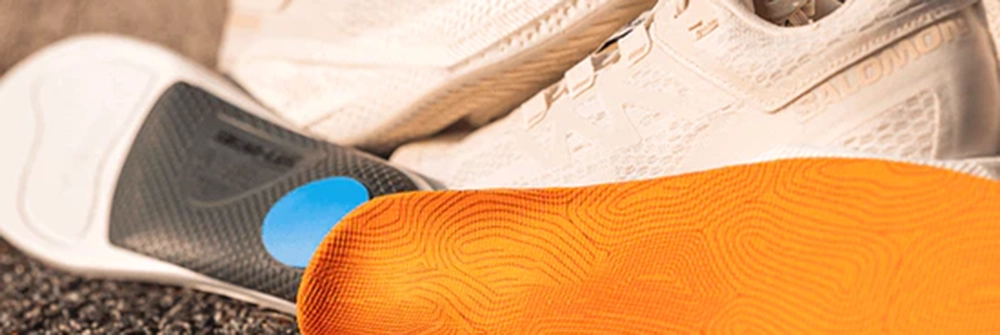
Running Insoles vs Training Insoles – Which One Do You Need?
Choosing the right insole depends on how you move. Running and training put very different demands on your feet, which is why Running Insoles and Training Insoles are designed differently.
In this guide, we break down the key differences to help you choose the right option.
What Are Running Insoles?
Running Insoles are designed for repetitive forward motion and high-impact landing.
Key features:
- Strong shock absorption (especially in the heel)
- Lightweight materials
- Smooth heel-to-toe transition
👉 Ideal for:
- Long-distance running
- Jogging
- Marathon training
What Are Training Insoles?
Training Insoles are built for multi-directional movement and stability.
Key features:
- Better lateral support
- Balanced cushioning
- Stronger structure
👉 Ideal for:
- Gym workouts
- Cross-training
- HIIT and agility exercises
Key Differences Between Running and Training Insoles
| Feature | Running Insoles | Training Insoles |
|---|---|---|
| Movement type | Forward motion | Multi-directional |
| Cushioning | High (heel-focused) | Moderate |
| Stability | Moderate | High |
| Flexibility | More flexible | More structured |
| Impact type | Repetitive impact | Varied impact |
Cushioning vs Stability
This is the biggest difference.
- Running Insoles focus on cushioning to absorb repeated impact
- Training Insoles focus on stability to support quick movements
👉 Choosing the wrong type can lead to discomfort or reduced performance.
Materials Used
Both types use different materials depending on performance needs:
- EVA foam – lightweight and flexible
- PU foam – durable and supportive
- Gel inserts – extra shock absorption
- TPU support structures – added stability
👉 Material selection directly affects performance and durability.
Which One Should You Choose?
🔹 Choose Running Insoles if you:
- Run regularly
- Need strong shock absorption
- Focus on long-distance comfort
🔹 Choose Training Insoles if you:
- Do gym workouts
- Perform lateral movements
- Need better stability and support
Can You Use One Insole for Both?
Technically yes, but it’s not ideal.
👉 Running Insoles in training:
- May lack stability
👉 Training Insoles in running:
- May feel too firm or heavy
👉 For best performance, use the right insole for the activity.
Custom Insoles for Sports Brands
For brands and distributors, developing sport-specific insoles offers clear advantages:
- Better product positioning
- Performance differentiation
- Higher customer satisfaction
👉 Working with a professional manufacturer allows full customization in:
- Materials
- Structure
- Branding
Conclusion
Running Insoles and Training Insoles serve different purposes. Understanding these differences helps you improve performance, reduce injury risk, and enhance comfort.
Choosing the right insole is a small change that can make a big difference.