 English
  Español
  Português
  日本語
日本語  Français
  繁體中文
繁體中文  简体中文
简体中文 
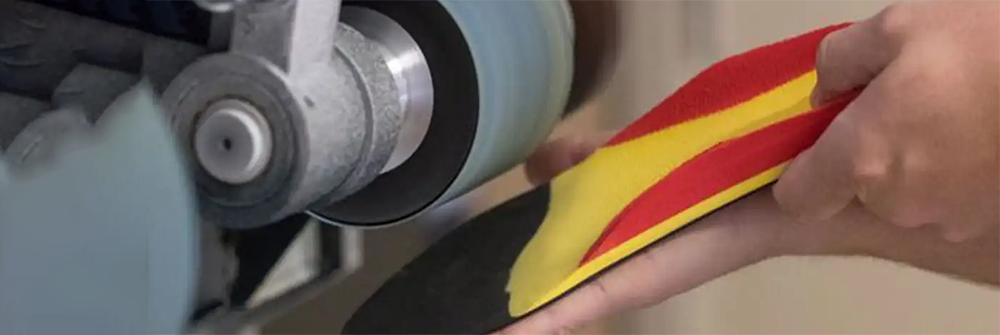
How to Choose the Right Insole Manufacturer
Finding the right Insole Manufacturer is one of the most important decisions for footwear brands, distributors, and product developers.
A reliable supplier not only ensures product quality but also helps optimize cost, improve performance, and support long-term business growth.
In this guide, we will explain how to choose the right Insole Manufacturer, what to look for, and which factors matter most.
Why Choosing the Right Manufacturer Matters
Working with the wrong supplier can lead to:
- Inconsistent quality
- Delayed delivery
- Poor communication
- Increased costs
On the other hand, a professional manufacturer can:
- Improve product performance
- Provide stable production
- Support product development
- Help scale your business
Types of Insole Manufacturers
Before selecting a supplier, it’s important to understand the different types available.
🔹 OEM Insole Manufacturer
An OEM Insole Manufacturer produces products based on your design or specifications.
Best for:
- Established brands
- Custom product development
🔹 ODM Insole Manufacturer
An ODM Insole Manufacturer provides ready-made designs that can be customized.
Best for:
- Faster market entry
- Lower development cost
🔹 Custom Insole Manufacturer
A custom Insole Manufacturer focuses on tailored solutions:
- Materials
- Structure
- Function
Best for:
- Differentiated products
- Specialized markets (sports, orthotic, etc.)
Key Factors to Consider
🔹 1. Material Capabilities
A good manufacturer should offer a wide range of materials:
- PU insoles
- EVA insoles
- Memory foam insoles
- Gel / liquid insoles
- ESD insoles
👉 This allows flexibility in product development.
🔹 2. Product Expertise
Check whether the supplier has experience in:
- Sports insoles
- Orthotic insoles
- Diabetic insoles
- Plantar fasciitis insoles
👉 Specialized experience is a strong advantage.
🔹 3. Sampling Capability
Before mass production, sampling is critical.
Look for a manufacturer that can:
- Provide fast samples
- Support multiple revisions
- Offer design suggestions
🔹 4. Production Capacity
Ensure the factory can handle:
- Your order volume
- Future growth
👉 This is especially important for scaling brands.
🔹 5. Quality Control System
A professional manufacturer should have:
- IQC (incoming inspection)
- IPQC (in-process control)
- FQC (final inspection)
👉 This ensures consistent product quality.
🔹 6. Communication & Responsiveness
Good communication reduces risk.
Choose a supplier that:
- Responds quickly
- Understands your requirements
- Provides clear solutions
Questions to Ask an Insole Manufacturer
Before working together, ask:
- What materials do you specialize in?
- What is your MOQ?
- How long is sampling time?
- What is your production lead time?
- Can you support custom designs?
👉 These questions help evaluate reliability.
Common Mistakes to Avoid
❌ Choosing Only Based on Price
Low price often leads to:
- Lower quality
- Hidden costs
❌ Ignoring Sampling Stage
Skipping proper sampling can result in:
- Product mismatch
- Production issues
❌ Not Checking Experience
A factory without experience in your product type may struggle with development.
Benefits of Working with a Professional Insole Manufacturer
- Stable product quality
- Better performance design
- Faster development cycle
- Long-term cooperation potential
Custom Insole Development Process
A typical process includes:
- Requirement analysis
- Design & development
- Sampling & approval
- Mass production
- Shipping
- After-sales support
👉 A structured process reduces risk and improves efficiency.
Conclusion
Choosing the right Insole Manufacturer is not just about production — it’s about building a reliable long-term partnership.
A professional supplier can help you develop better products, reduce risks, and grow your business.
Looking for a Reliable Insole Manufacturer?
If you are searching for a trusted Insole Manufacturer for your brand or business:
👉 Contact us to discuss your project and get a customized solution.