 English
  Español
  Português
  日本語
日本語  Français
  繁體中文
繁體中文  简体中文
简体中文 
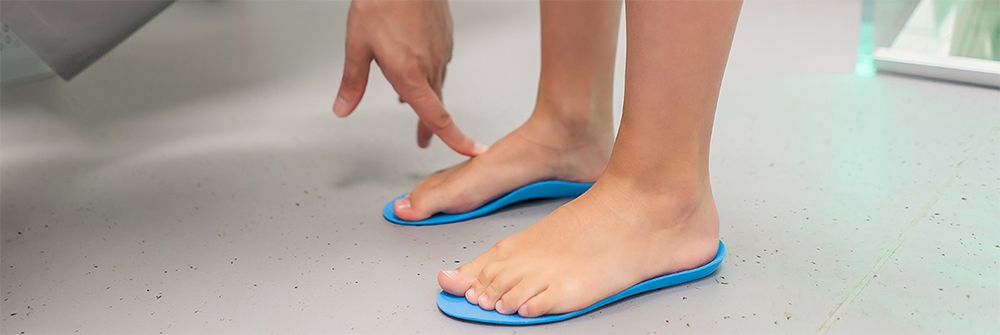
Best Insoles for Flat Feet – How to Choose the Right Support
Flat feet are a common condition that can affect comfort, stability, and overall foot performance.
Choosing the right insoles can help improve support, reduce fatigue, and enhance daily comfort.
In this guide, we’ll explain how to choose the best insoles for flat feet and what features matter most.
What Are Flat Feet?
Flat feet occur when the arch of the foot is low or collapsed, causing the entire foot to make contact with the ground.
This can lead to:
- Reduced shock absorption
- Poor alignment
- Increased fatigue during walking or running
Why Insoles Are Important for Flat Feet
Standard shoe insoles often lack proper support.
Specialized insoles help:
- Provide arch support
- Improve foot stability
- Distribute pressure evenly
👉 This leads to better comfort and performance.
Key Features to Look For
🔹 1. Strong Arch Support
This is the most important feature.
Good arch support helps:
- Maintain foot structure
- Reduce strain
- Improve balance
🔹 2. Stability
Flat feet require more stability to control foot movement.
Look for:
- Firm base materials
- Structured design
🔹 3. Cushioning
While support is critical, cushioning improves comfort.
- Heel cushioning
- Forefoot padding
🔹 4. Deep Heel Cup
A deep heel cup helps:
- Stabilize the heel
- Improve alignment
Best Materials for Flat Feet Insoles
Different materials offer different benefits:
- PU – strong support and durability
- EVA – lightweight and flexible
- TPU – structural support
- Memory foam – additional comfort
👉 Multi-layer designs often perform best.
Types of Insoles for Flat Feet
🔹 Orthotic Insoles
- Designed for support and alignment
- Most effective for flat feet
🔹 Sports Insoles
- Designed for movement and impact
- Suitable for active users
🔹 Cushioning Insoles
- Focus on comfort
- Less support than orthotic types
Flat Feet in Sports
Flat feet can affect performance in:
- Running
- Training
- Walking
Proper insoles help:
- Improve stability
- Reduce fatigue
- Enhance comfort
How to Choose the Right Insoles
🔹 Based on Activity
- Running → cushioning + support
- Training → stability + structure
- Daily wear → comfort + support
🔹 Based on Comfort Level
- Firm → more support
- Soft → more comfort
👉 Balance is key.
🔹 Based on Fit
- Proper size
- Suitable thickness
- Compatible with your shoes
Common Mistakes to Avoid
❌ Choosing Soft-Only Insoles
Too soft = not enough support.
❌ Ignoring Structure
Flat feet need structure, not just cushioning.
❌ Wrong Size
Poor fit reduces effectiveness.
Custom Insoles for Flat Feet
For brands and sellers, developing insoles specifically for flat feet can be a strong market opportunity.
Benefits include:
- Targeted product positioning
- Higher perceived value
- Better customer satisfaction
👉 Working with a professional orthotic insole manufacturer allows full customization.
Conclusion
Flat feet require proper support and structure. The right insoles can significantly improve comfort, stability, and overall foot performance.
Choosing the right design and materials makes a big difference.
Looking for Flat Feet Insoles?
If you are developing products for flat feet or looking for a reliable supplier:
👉 Explore our orthotic and custom insole solutions or contact us for more information.